
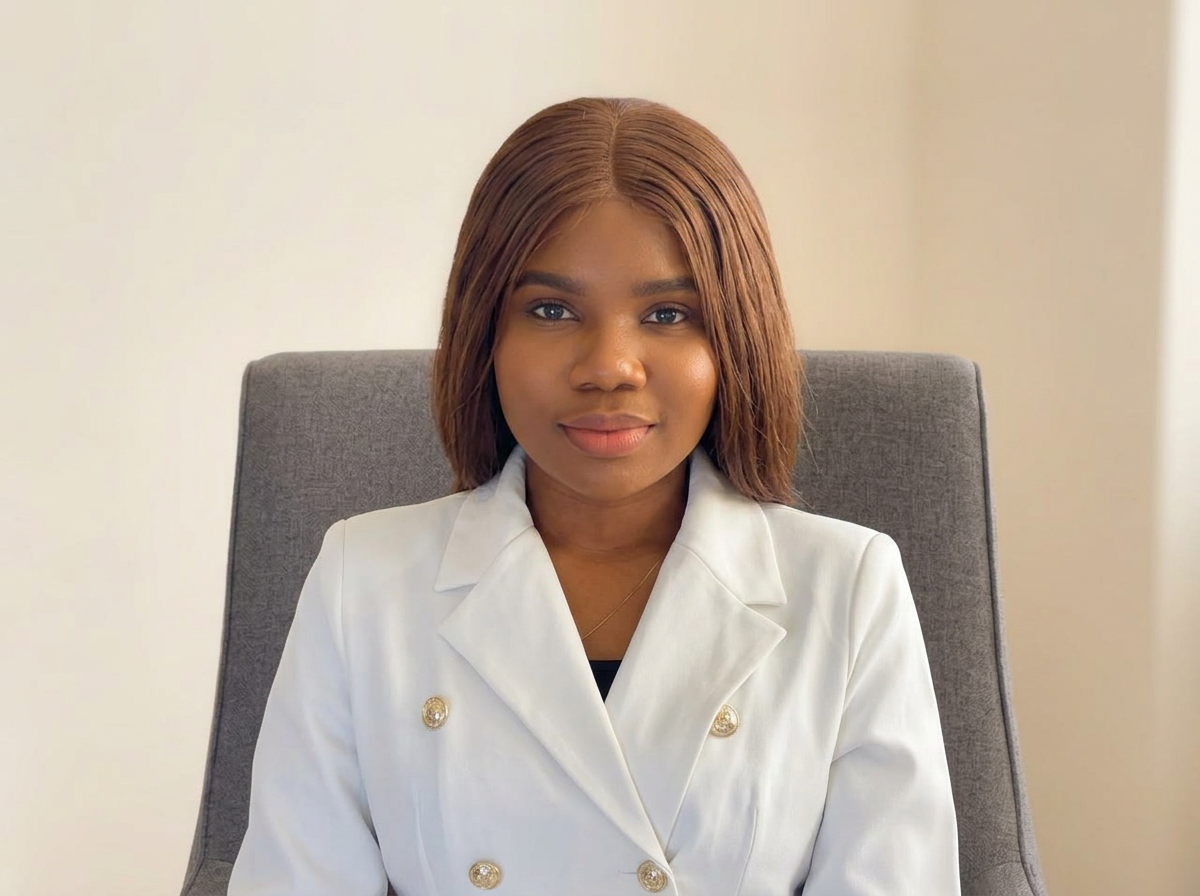
Valentina Akpan: Founder, Rellatech. Admin and technical virtual assistant for businesses and startups with teams.
I read a lot of doom about administrative work, so when real numbers come out, I pay attention. A report from the Associated Press, published by Fortune earlier this month, took a close look at what AI is actually doing to secretaries, administrative assistants, and executive assistants. The picture is more interesting than the headlines suggest.
First, the hard numbers. Citing Current Population Survey data, the report notes that about 3.5 million people worked as secretaries and administrative assistants in 2004, and that figure has fallen to around 2.1 million today, even though the overall workforce grew over the same period. Economists at the U.S. Bureau of Labor Statistics expect the decline to continue, with one exception: medical secretaries and administrative assistants, projected to grow 4 percent by 2034. Emily Rolen, a lead economist at the BLS, told the AP that productivity technology has been limiting demand for these roles for decades. AI is the latest chapter, not the first.
Who is most exposed
A Brookings Institution report cited in the piece adds a sobering detail. Clerical and administrative workers may be more exposed to AI-driven displacement than other professionals, and about 86 percent of the roughly 6 million workers in this group are women.
The part that caught my eye
Now for the part that caught my eye. The AP spoke with Oana Manolache, founder and CEO of the webinar platform Sequel.io, who wrote on LinkedIn last year, "I will fire anyone who doesn't use AI." Even she admits that AI cannot replace her executive assistant. Her assistant uses AI to clear away note-taking and meeting prep, then spends the reclaimed time on judgment calls, stakeholder relationships, and team connection. One more detail worth mentioning: that assistant works remotely from El Salvador through a staffing firm. The AP also profiled Deanna Danger, an executive assistant at Vanderbilt University, who says tasks that once took her hours now take minutes, which lets her actually participate in meetings instead of transcribing them.
My read
The role that is shrinking is the old one, the person who types, files, and takes minutes. The role that is growing is the assistant who runs AI tools, manages workflows, and acts as a real extension of the executive. The AP report shows both trends happening at once, and honestly, that matches what I see with clients every week. Businesses are not cutting support. They are demanding more from it.
If you run a business or lead a team, the practical takeaway is simple. Do not ask whether you need an assistant. Ask whether you have the modern kind, someone who pairs good judgment with the tools that make one person as productive as three used to be.
How I work with clients on this
That is exactly how I work at Rellatech. My monthly retainers give businesses and startups with teams a skilled remote assistant who already works this way, handling your admin, your inbox, your operations, and the AI tools that speed all of it up. If you want support built for how work looks now, not how it looked in 2004, have a look at pricing or book a consultation and let us talk.
Contact MeNot ready for a call? Take the free operations assessment and I will send you a written breakdown within 24 hours.
Related Services